
PARENTS AND FAMILIES
We Bring Together the Best Tools, Resources & Spaces for You and Your Child.
ABA therapy helps children with autism develop meaningful skills in communication, social interaction, behavior, and independence by teaching one clear step at a time, at their own pace, and celebrating every success along the way.
Did you know?
The Success of Therapy Stems From a Variety of Factors
✓ Consistency of attendance
✓ Collaboration across all settings (home, school, therapy)
✓ Individualized goals tailored to the child’s needs
✓ Therapist expertise and rapport with the child
✓ Use of evidence-based strategies
✓ Regular progress monitoring and data review
We are proud of how far we’ve come—and even more excited about where we’re going next.
GUIDANCE AT YOUR FINGERTIPS
— We’re Here to Support, in Every Way —
ONTARIO AUTISM PROGRAM
Provincial funding of $6,600–$65,000 for autistic children under 18 in Ontario.
ACCESS OAP
Families registered in the Ontario Autism Program can access the services their child needs.
BEHAVIOUR ANALYSTS
Regulated professionals overseeing ABA programming for learners with autism.
ABA THERAPY
ABA helps children with autism reduce challenging behaviours, and improve communication
Understanding our approach
Applied Behaviour Analysis
ABA stands for Applied Behaviour Analysis, which is a scientific approach used to understand, teach, and change behaviour. It’s commonly used to support children with autism but can be applied in many settings to teach skills, reduce problem behaviours, and improve independence
THINGS TO CONSIDER
Treatment, Diet, Teamwork and the Nervous System
ABA Therapy Gives your child the step by step to learning skills by breaking them down. Therapy creates a space for children to learn the skills they need under controlled and natural conditions.
Healthy eating and nutritional food will help your child’s overall development. Finding ways to incorporate good foods with some supplements may help. Speak to your doctor.
Being over or under stimulated may be linked to your child’s nervous system. By adding strategies to your child’s therapy, you may see improvements by understanding your child’s specific needs.

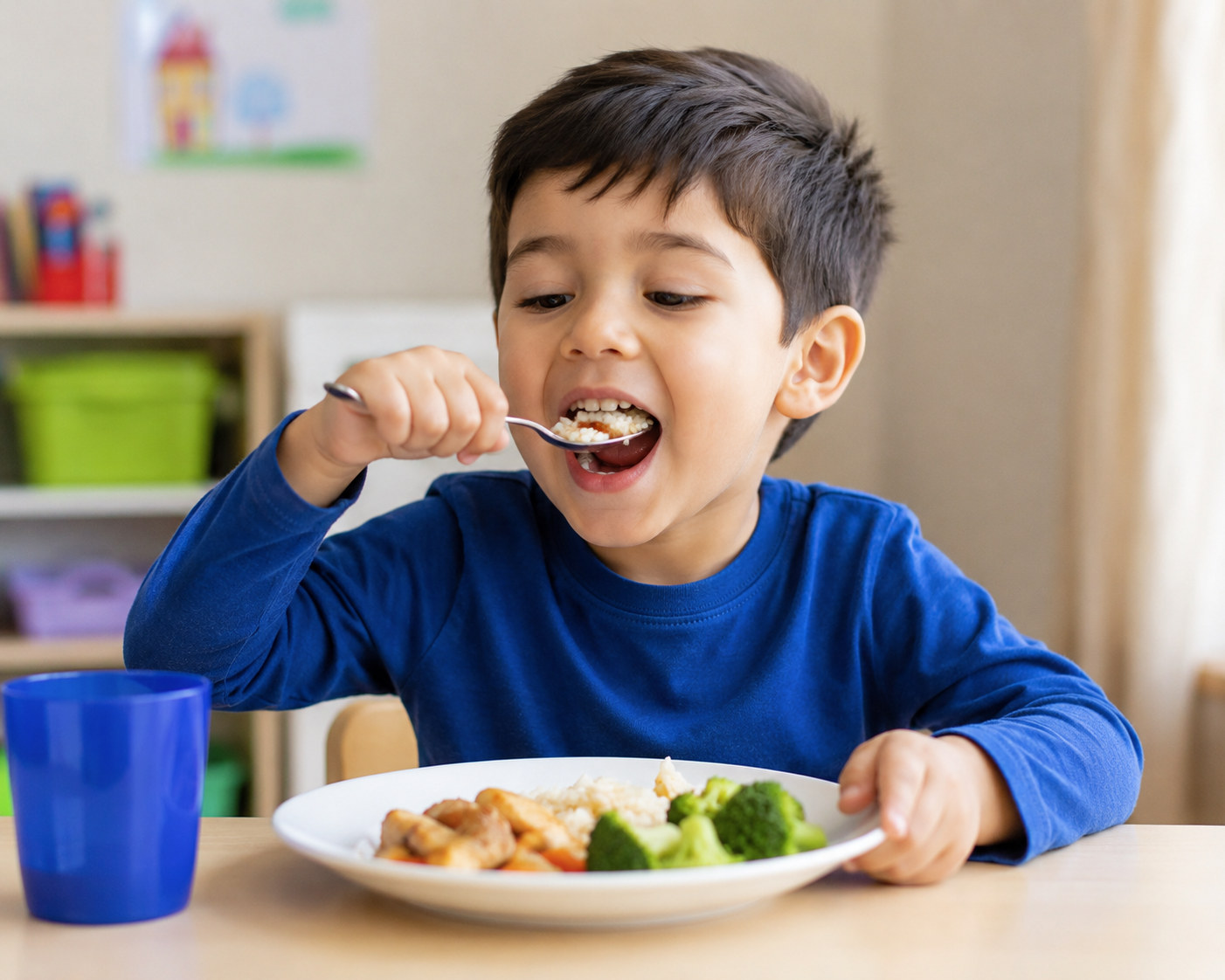
There is growing research to show the link between the gut and many health issues. By adding probiotics and improving gut health, you may start to see changes in learning and behaviours. Talk to your doctor about adding this to your child’s health plan.
Keeping a consistent and regular therapy schedule is important, but in general, ensuring consistency at home will help teach your child what is expected of them.
Working with your child’s team of professionals may increase the positive outcomes of treatment. Be sure to talk to your team, share goals, challenges but don’t forget to share those improvements as well. Even the slightest improvemet is something to celebrate!
PARENTS & FAMILIES
What You Need to Know
Applied Behaviour Analysis
Applied Behaviour Analysis (ABA) is a scientifically proven approach that uses the principles of learning and behaviour to teach new skills and reduce challenging behaviours. It focuses on understanding why a behaviour occurs and using positive reinforcement to help children build skills in communication, social interaction, and daily living.
Natural Environment Teaching
Natural Environment Teaching (NET) is an ABA approach that teaches skills within everyday routines and play, rather than at a table or in a structured setting. By following the child’s interests and using naturally occurring opportunities, NET helps children generalize skills across real-life settings like home, school, and the community.
Discrete Trial Training
Discrete Trial Training (DTT) is a structured ABA teaching method that breaks skills down into small, manageable steps. Each trial includes a clear instruction, a response, and immediate feedback or reinforcement, helping children build foundational skills through repetition and consistency.
Pivotal Response Training
Pivotal Response Training (PTT) is a play-based ABA approach that targets pivotal areas of development, like motivation and self-initiation, rather than individual behaviours. By building these core skills, children often see broader improvements across communication, social, and academic areas.
Picture Exchange Communication
The Picture Exchange Communication System is a visual communication method that helps children, especially those with limited verbal language, express their wants and needs by exchanging pictures. PECS builds functional communication skills and can serve as a stepping stone toward spoken language.

Ready to Take the Next Step?
We’re here to support your family and help your child thrive.
📞 289-474-5075
📧 info@autismtt.com
111 Regina Rd, Unit 9, Woodbridge Ontario L4L 8N9
Privacy Policy
Terms of Use